Trauma after a disaster: how your pet (and you) recover

A natural disaster doesn't just shake the walls of your home. It shakes the whole family, and that includes the one with four legs who doesn't understand what's happening. If after a flood, an earthquake, or an evacuation your dog or cat seems different (clingier, more hidden away, off their food), you're not imagining it. Pets live through trauma too, and they often feel it through you.
The good news is that recovery almost always comes, and you have more tools than you think to guide it. Here's how to recognize the trauma, how to help your pet feel safe again, and how to take care of yourself in the process (something almost no one mentions).
The signs of trauma in your pet
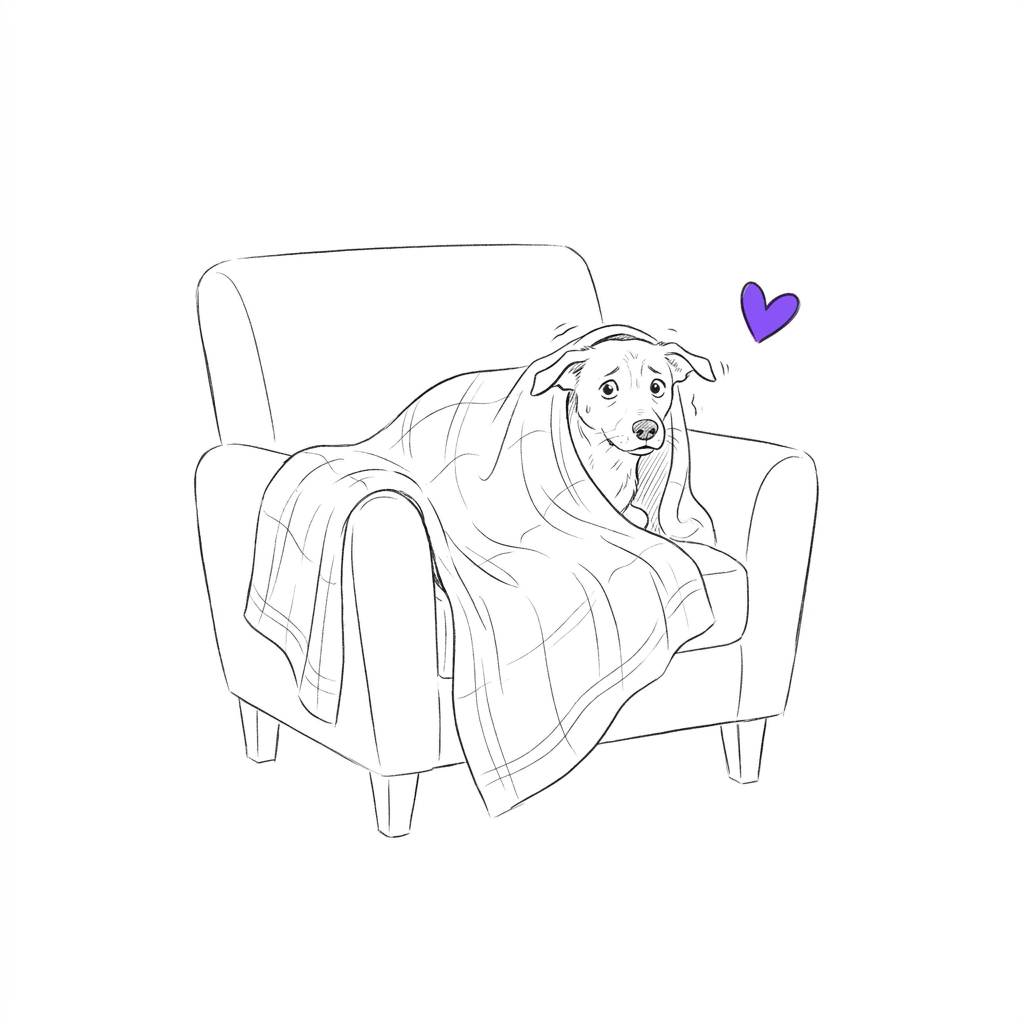
After a frightening event, stress shows up in ways we sometimes mistake for "acting out." In reality, your pet isn't misbehaving: they're scared and trying to feel safe. These are the most common signs that veterinarians and behavior specialists describe:
- Hiding or trembling, or wanting to be glued to you all the time.
- Refusing food or eating far less than usual.
- Accidents indoors, even if they were already well trained.
- Panting, restlessness, or hypervigilance (startling at any noise).
- Digestive upset, such as stress-induced diarrhea.
- Sleeping too much or barely resting, with broken sleep.
Here's the most important part: don't scold them. Accidents, hiding, and loss of appetite aren't disobedience, they're fear. Punishing a fear response only deepens it. As the American Kennel Club points out, the way we respond and help our animal family get back to normal directly shapes how quickly and how fully they recover.
Your calm is their medicine
It may sound like a stretch, but your pet literally senses your mood. A study published in Frontiers in Psychology found that stress is "contagious" from human to dog, and that this emotional contagion grows stronger the longer you've been together. Dogs read your tone of voice, your posture, and even your scent.
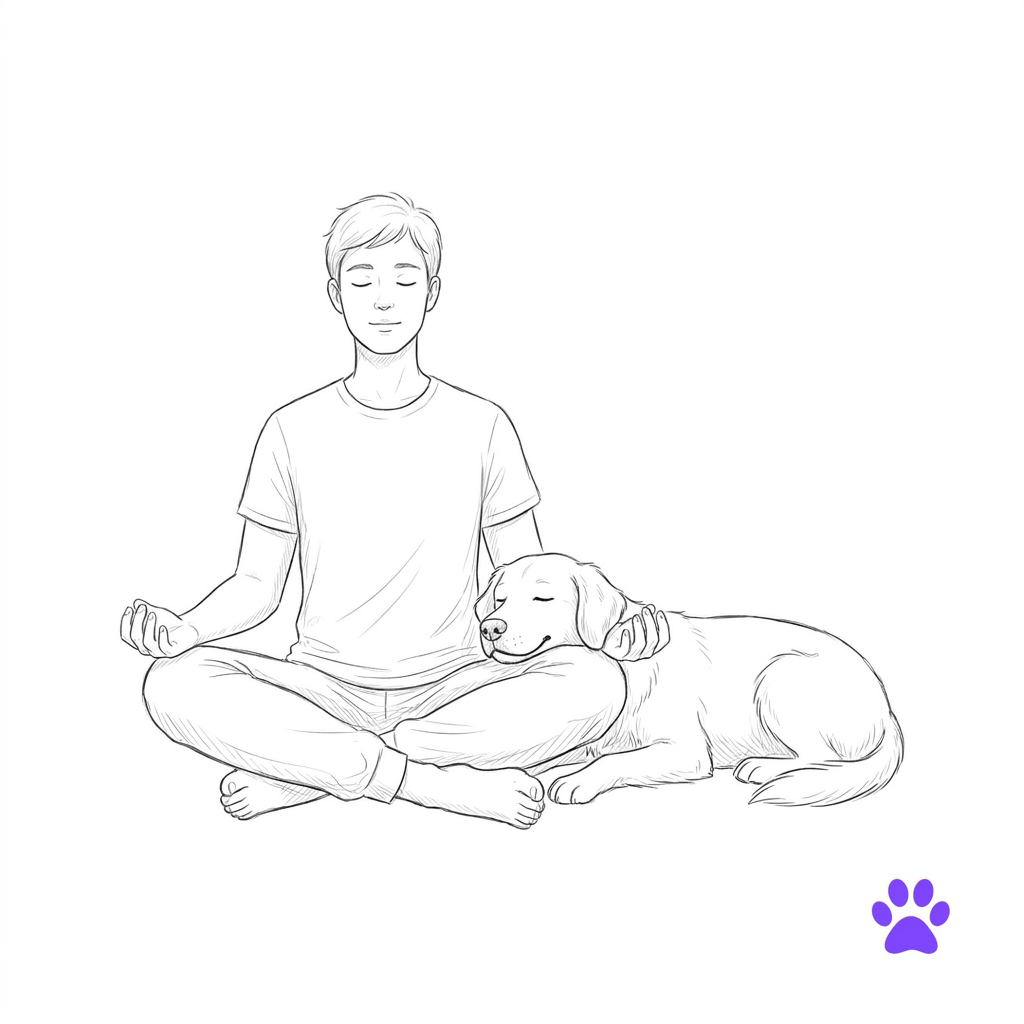
The flip side of that is a powerful tool: if you calm down, your pet has something steady to anchor to. Specialists call it co-regulation. When your dog's emotions are too big for them to handle, they can "borrow" your calm to settle. That's why, according to the experts at Fear Free, the simplest rule after an emergency is also the truest: if you're relaxed, they relax.
What you can do: before you reach out to comfort your pet, settle yourself first. Breathe slowly, soften your voice, move your body calmly. You don't have to pretend everything is fine; you just need to offer a stable point of reference in the middle of the chaos.
Help your pet feel safe
Get back to a routine as soon as you can
The biggest source of stress after a disaster is that everything changed: the schedule, the spaces, the smells. Returning to meals and walks at the same times as always sends your pet a clear message: "the worst has passed, life goes on." Even in a temporary place, keeping small rituals (the same mealtime, a short walk, a moment of play) speeds up recovery.
Create a safe zone
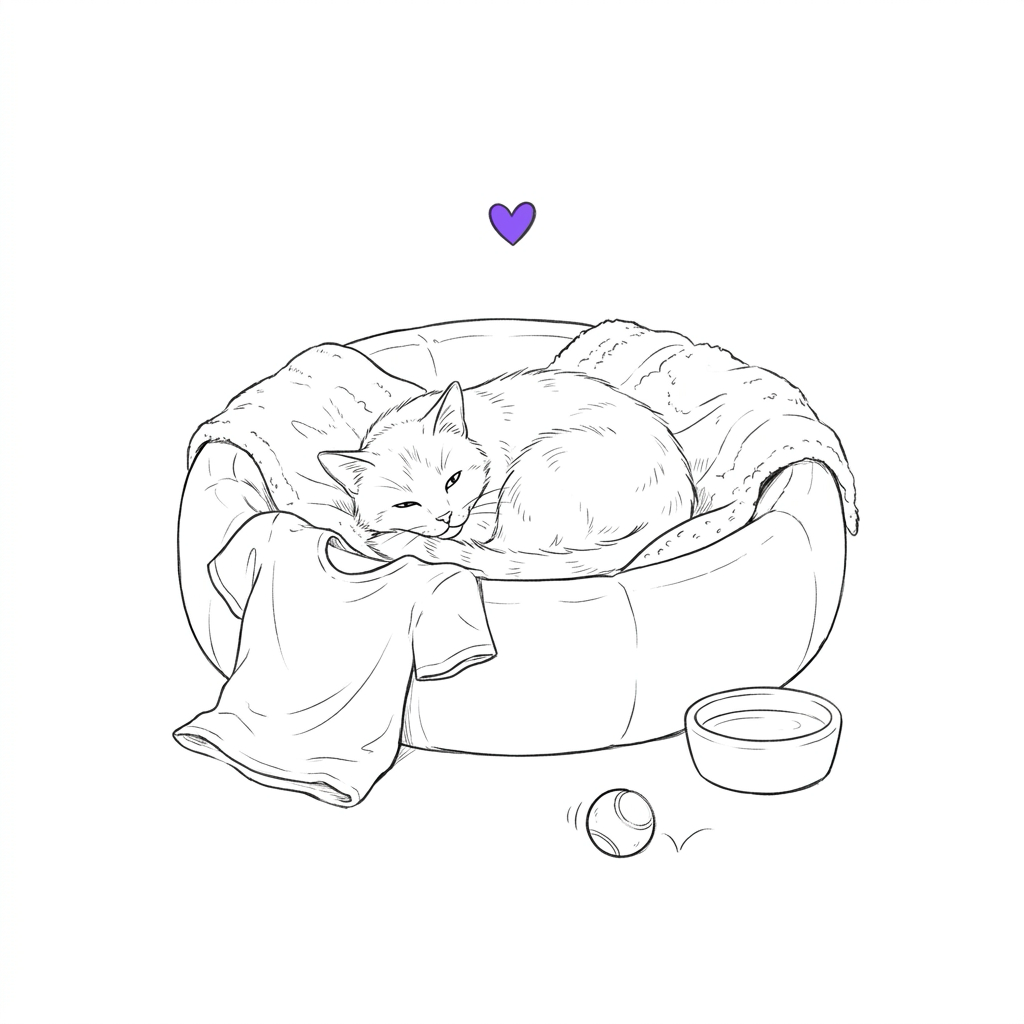
Your pet needs a spot of their own to retreat to when the world feels like too much. It doesn't have to be elaborate:
- A quiet, somewhat enclosed corner (a nook, a crate, a bathroom).
- Their bed and a familiar blanket.
- Something that smells like you (a worn t-shirt works wonders), because your scent calms them even when you're not there.
- Fresh water and their favorite toy.
The golden rule: let them come and go as they choose. Never drag them out or force them to socialize with unfamiliar people or animals while they're scared.
Use their sense of smell and hearing
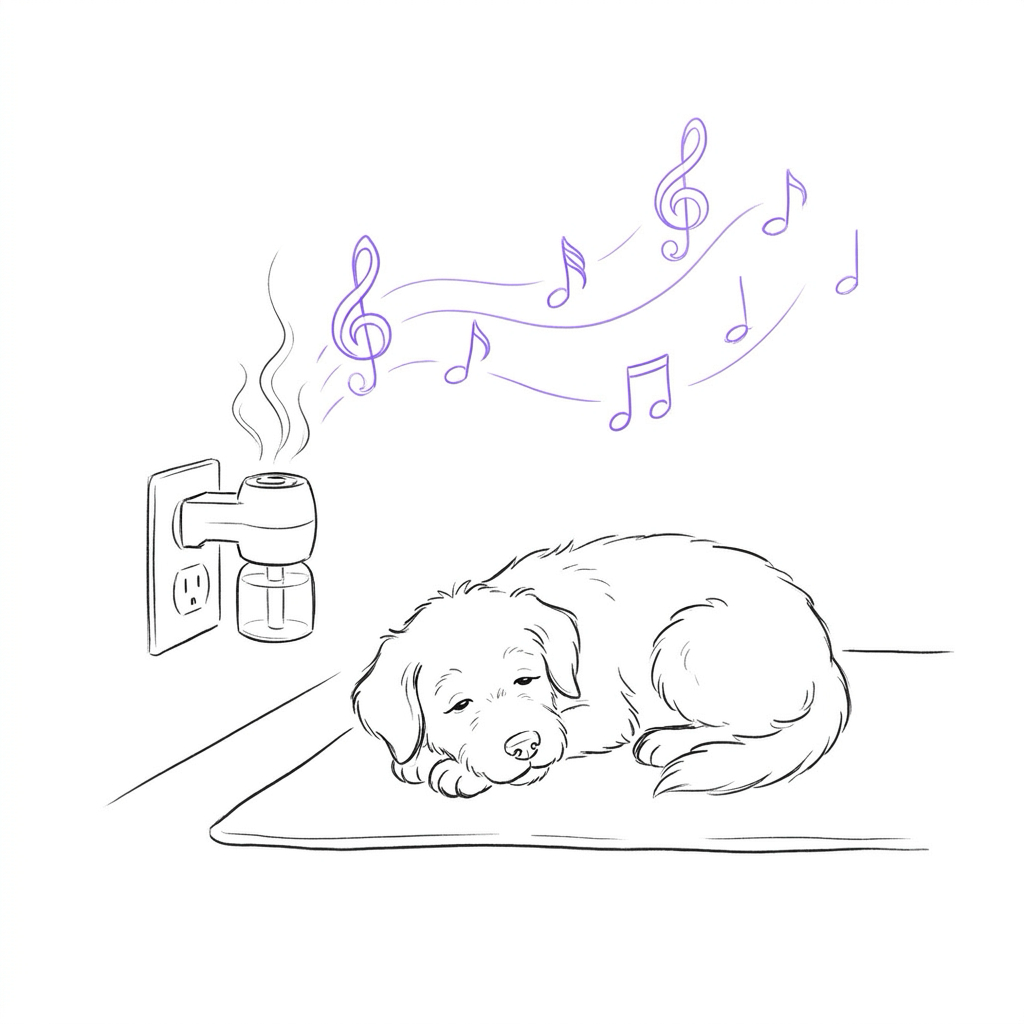
Two simple, vet-backed allies: calming pheromones (diffusers or sprays like Adaptil for dogs and Feliway for cats) reproduce chemical safety signals, and soft, slow classical music helps bring the heart rate down. These are small gestures that, on top of a routine and a safe zone, make a real difference.
Don't forget about yourself
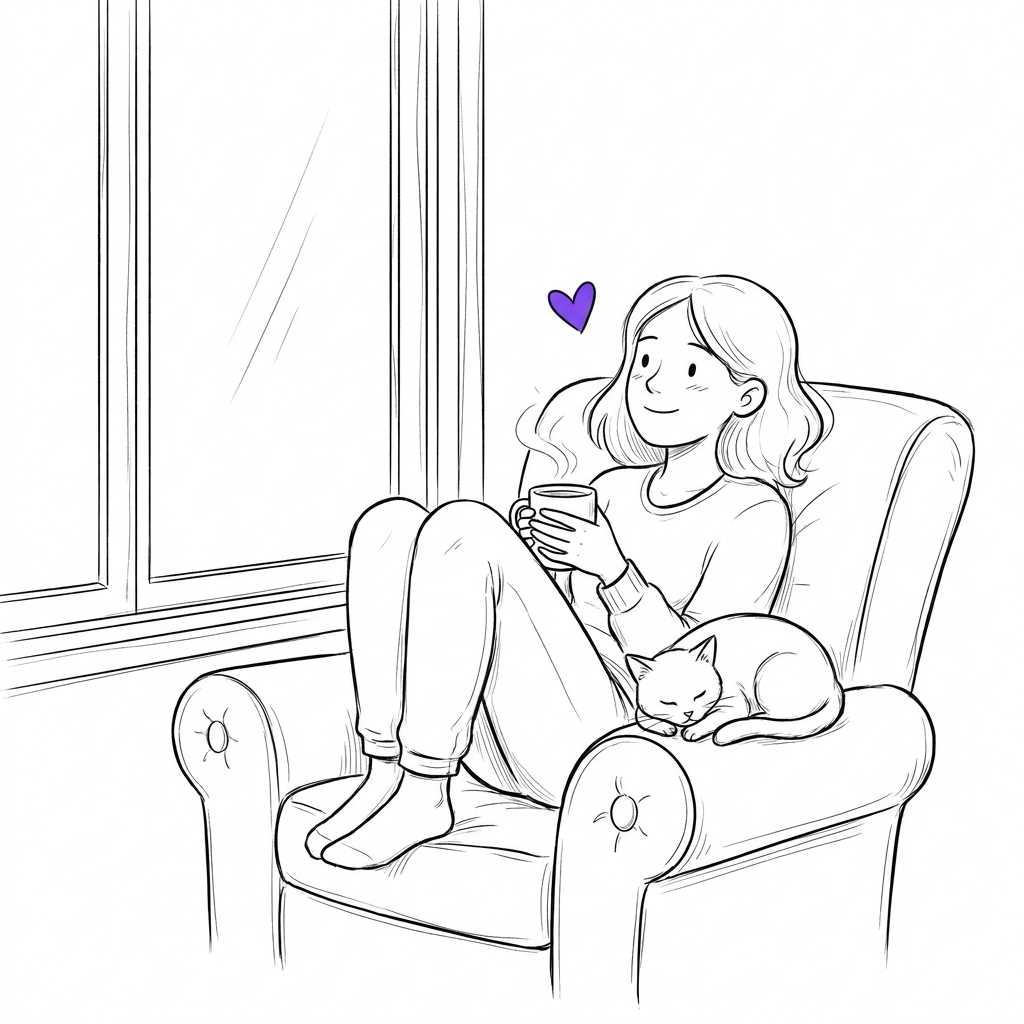
Almost no guide says it, so here it is plainly: taking care of yourself is also taking care of your pet. If you've just been through an emergency, it's completely normal to feel overwhelmed, exhausted, or sad. And because your pet regulates off your state, your well-being isn't a separate luxury: it's part of their treatment.
Give yourself permission to ask for help, to rest, and to have hard days. A bit of fresh air, a call to someone you trust, or simply naming what you're feeling reaches your dog or cat as calm, too. You recover together, at your own pace.
When to seek professional help
Most pets improve with routine, patience, and a safe zone. But it's worth consulting a professional if you notice:
- Stress signs that last more than a few days or that get worse instead of easing.
- Complete refusal of food or water, which can become a medical problem.
- New aggression or intense panic reactions.
- Wounds, coughing, or breathing problems after exposure to water, smoke, or debris.
- That you feel overwhelmed too: don't hesitate to seek human support for yourself.
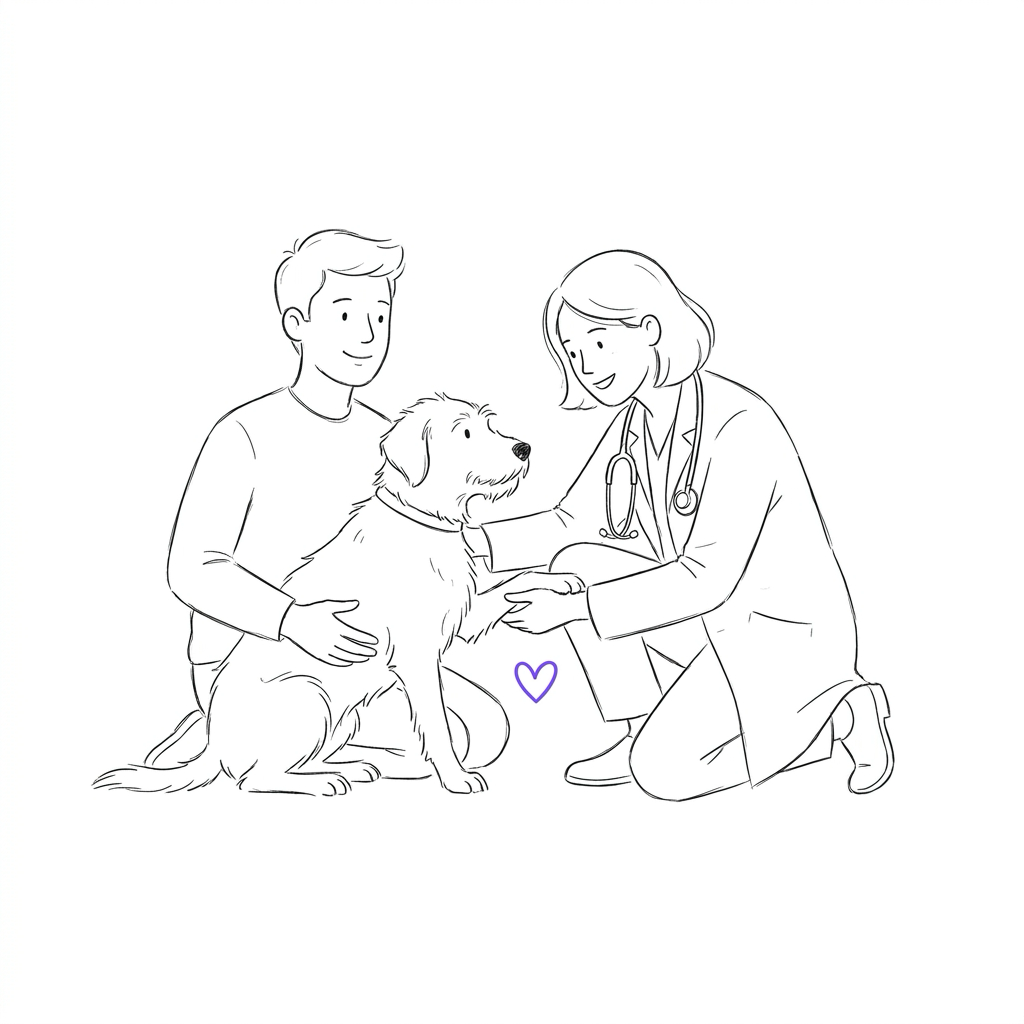
A veterinarian or an ethologist (an animal behavior specialist) can assess the situation, rule out medical causes, and design a plan tailored to your pet, which sometimes includes calming supplements or, in specific cases, medication. Asking for help early isn't overreacting: it's giving your pet the best starting point to heal.
This guide is for educational purposes only. For any concern about your pet's physical or emotional health, always consult your veterinarian or an animal behavior specialist.
References
Know someone going through this?
Share this guide with anyone who might need it. Sometimes knowing you're not alone makes all the difference.